Tuesday, August 22, 2023

Lapis Lazuli

Lapis Lazuli is a beautiful blue gemstone that has been highly prized for its color and symbolism for thousands of years. 

Photo owner: Auralene

Here's more information about Lapis Lazuli:

Color and Appearance: Lapis Lazuli is known for its deep, rich blue color, often with flecks or veins of white calcite and shimmering specks of golden pyrite. This combination of colors gives it a unique and captivating appearance.

Composition: Lapis Lazuli is a metamorphic rock primarily composed of the minerals lazurite, calcite, and pyrite. The blue color is attributed to the presence of lazurite.

Historical Significance: Lapis Lazuli has been used for centuries in jewelry, decorative objects, and artwork. It was highly valued in ancient civilizations such as Egypt, Mesopotamia, and Greece. The stone was often associated with royalty, power, and spirituality.

Symbolism and Meaning: Lapis Lazuli is associated with qualities like wisdom, truth, and enlightenment. It's often considered a stone of communication, helping individuals express themselves clearly and confidently.

Uses: Lapis Lazuli is commonly used in jewelry, including rings, necklaces, bracelets, and earrings. It's also used for carving intricate designs, creating cameos, and inlaying into other materials.

Metaphysical Properties: In metaphysical beliefs, Lapis Lazuli is believed to enhance self-awareness, encourage inner truth, and stimulate intellectual abilities. It's also thought to have calming and stress-relieving properties.

Locations: Lapis Lazuli is found in several locations around the world, including Afghanistan, Chile, Russia, and parts of the United States.

Care: Lapis Lazuli is a relatively soft stone, so it should be handled and stored carefully to avoid scratches. To clean, use a soft cloth and mild soap; avoid exposing it to harsh chemicals or ultrasonic cleaners.

Art and History: Lapis Lazuli has been used as a pigment for creating the color ultramarine in paintings. It was used by famous artists like Michelangelo and Vermeer to achieve vibrant blue hues in their artworks.

Imitation and Enhancements: Due to its popularity, synthetic and imitation lapis are common. Additionally, some lapis lazuli is treated or dyed to enhance its color, so it's important to buy from reputable sources.


When purchasing Lapis Lazuli, choose trusted dealers and jewelers to ensure the authenticity and quality of the stone.

Sunday, August 20, 2023

Labradorite

Labradorite is a fascinating and visually captivating mineral known for its unique play of colors. 

Photo owner: Auralene

Here's more information about labradorite:

Color Play: Labradorite is celebrated for its shimmering display of colors, famously referred to as labradorescence. This phenomenon occurs due to the interference of light within the layers of the mineral. As light interacts with these layers, it creates vibrant flashes of blue, green, yellow, orange, and even purple hues.

Composition: Labradorite belongs to the feldspar group of minerals and is composed mainly of silicate. It is often found in igneous rocks and is known for its intriguing structure that causes the play of colors.

Crystal Structure: Labradorite has a triclinic crystal structure, characterized by its lack of right angles and symmetry. This structure contributes to the unique way it interacts with light.

Locations: Labradorite is found in various parts of the world, including Canada (where it was first discovered in Labrador), Madagascar, Russia, Finland, and the United States.

Varieties: Spectrolite is a variety of labradorite known for its particularly vivid and multicolored labradorescence. Moonstone is often confused with labradorite due to its adularescent play of light, but they are distinct minerals.

Metaphysical Properties: In metaphysical and spiritual practices, labradorite is believed to possess protective and transformative qualities. It's thought to aid in spiritual growth, enhance intuition, and help with self-discovery.

Jewelry and Use: Labradorite's unique colors and visual effects make it a popular choice for jewelry such as rings, necklaces, and earrings. The stone's ability to display a range of colors from different angles adds an element of mystique to jewelry designs.

Carvings and Cabochons: Labradorite is often shaped into cabochons (smooth, polished, and rounded gemstones) to showcase its play of colors. It's also carved into intricate designs and sculptures.

When purchasing labradorite, it's advisable to see the stone in person if possible, as the play of colors can vary widely between individual specimens. As with any gemstone, buying from reputable sources is important to ensure the authenticity and quality of the stone.
Saturday, August 19, 2023

Kyanite

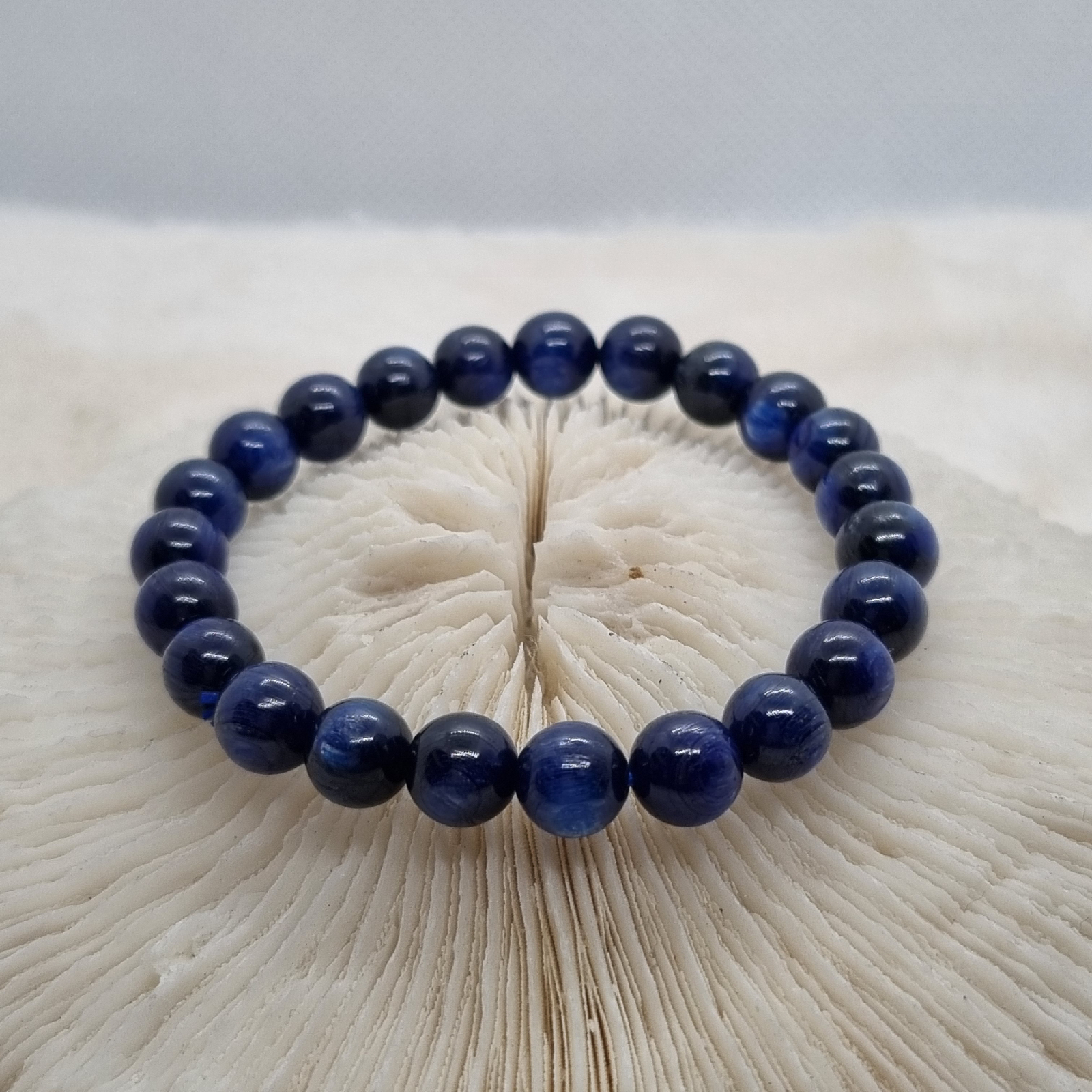
Kyanite is a stunning blue mineral known for its unique and distinctive crystal formations. It's valued for its metaphysical properties as well as its industrial applications. 

Photo owner: Auralene

Here are some key features and information about kyanite:

Color and Appearance: Kyanite is most commonly found in shades of blue, ranging from pale blue to deep sapphire. It often occurs in elongated, bladed crystal formations, giving it a unique appearance.

Aluminum Silicate: Kyanite is an aluminum silicate mineral with a chemical composition Al2SiO5. It is anisotropic, meaning its hardness varies depending on the direction of measurement.

Varieties: Kyanite can exhibit different color variations, including blue, green, black, and even colorless. These variations are due to different mineral impurities present in the crystal structure.

Metaphysical Properties: In the realm of crystal healing and metaphysical beliefs, kyanite is often associated with promoting communication, self-expression, and aligning all chakras. It is thought to enhance psychic abilities and aid in meditation.

Industrial Use: Kyanite's unique physical properties, such as its heat resistance and low thermal expansion, make it valuable for industrial applications. It is used in the production of refractory products, ceramics, and as a material for heat-resistant components.

Mineralogy: Kyanite's name is derived from the Greek word "kuanos," which means deep blue. It has a distinct property of exhibiting varying hardness along different crystallographic directions, a feature known as "cleavage."

Gemstone Use: Blue kyanite's vivid color and unique crystal formations make it a popular choice for lapidary purposes. It is often cut into cabochons, beads, and polished specimens for use in jewelry.

Care: Kyanite is relatively soft in one direction due to its cleavage, so it should be handled with care to avoid breakage. It's also recommended to store kyanite jewelry separately to prevent scratching from harder materials.

As with any crystal, the metaphysical properties attributed to kyanite are based on belief systems rather than scientific evidence. If you're interested in using kyanite for its energetic qualities or incorporating it into your spiritual practices, approach it with an open mind and positive intentions.

Friday, August 18, 2023

Kunzite

Kunzite is named after George Frederick Kunz, an American mineralogist and gemologist who first identified and described this gemstone in the late 19th century. 

Photo owner: Auralene

Here are some key points about kunzite:

Color: Kunzite is known for its lovely pink to light-purple color, which is often attributed to traces of manganese within the crystal structure. The color can vary from pale pink to intense violet, depending on the specific specimen.

Crystal Structure: Kunzite is a variety of the mineral spodumene, which is a pyroxene mineral. It has a monoclinic crystal structure, which means its internal arrangement of atoms forms distinct angles that are not at right angles to each other.

Lithium Content: Kunzite is sometimes used as a source of lithium, an important element used in various industries including batteries for electronic devices and electric vehicles.

Transparency: Kunzite is typically transparent, and its color can be quite striking when properly cut and faceted. It's often used in faceted cuts to maximize its brilliance and display its color.

Treatments: Some kunzite gemstones are heat-treated to enhance or intensify their color. However, prolonged exposure to strong light or heat can cause the color of kunzite to fade over time.

Locations: Kunzite is found in various parts of the world, including Brazil, Afghanistan, Madagascar, and the United States. Afghanistan is known for producing particularly fine specimens.

Healing and Metaphysical Properties: Kunzite has been associated with emotional healing and is sometimes used in metaphysical practices. It's believed to help reduce stress, enhance love and compassion, and promote feelings of well-being.

Jewelry: Kunzite is commonly used in jewelry pieces such as rings, necklaces, earrings, and bracelets. Its gentle color makes it a popular choice for romantic and feminine designs.

Remember that while kunzite can be a beautiful and valuable gemstone, its popularity has also led to the creation of synthetic versions, so it's important to purchase from reputable sources to ensure the authenticity and quality of the gemstone.

Monday, August 14, 2023

Hypersthene

Hypersthene is a mineral belonging to the pyroxene group, which is a family of silicate minerals. It is known for its distinctive metallic luster and unique optical properties. Hypersthene is often found in igneous and metamorphic rocks and can vary in color from gray to brown. 

Photo owner: Auralene

Here's more information about hypersthene:

Appearance: Hypersthene typically appears as gray to brown mineral crystals with a metallic or pearly luster. It has a prismatic or tabular crystal habit and often exhibits strong cleavage, which means it can easily break along specific planes.

Optical Properties: Hypersthene is notable for its strong pleochroism, which means it shows different colors when viewed from different angles. This optical property is particularly pronounced in hypersthene and can help distinguish it from other minerals.

Uses: Hypersthene is not commonly used in jewelry due to its relatively low hardness (5 to 6 on the Mohs scale) and susceptibility to abrasion. However, it is occasionally used for cabochons, beads, and other ornamental purposes.

Metamorphic Rocks: Hypersthene is commonly found in metamorphic rocks such as gneiss and schist. It is often associated with minerals like garnet, pyroxene, and amphibole.

Occurrence: Hypersthene can be found in various geological settings, including volcanic rocks, igneous intrusions, and metamorphic terrains. It is found in regions with a history of high-pressure and high-temperature geological processes.

Mineralogy: Hypersthene is a magnesium-rich member of the pyroxene mineral group. Its chemical composition consists mainly of magnesium, iron, and silicon, with smaller amounts of aluminum and calcium.

Cleavage: Hypersthene exhibits cleavage along two directions at nearly 90 degrees to each other, resulting in a distinctive cleavage pattern.

Geological Significance: The presence of hypersthene in certain rocks can provide important information about the geological history and conditions under which the rocks formed. It can help geologists understand the metamorphic and igneous processes that have shaped the Earth's crust.

Hypersthene's unique optical properties and its role in geology make it an interesting mineral for both mineral enthusiasts and geologists. While it may not be widely recognized by the general public, it holds value in the scientific study of rocks and minerals.

Sunday, August 13, 2023

Jadeite

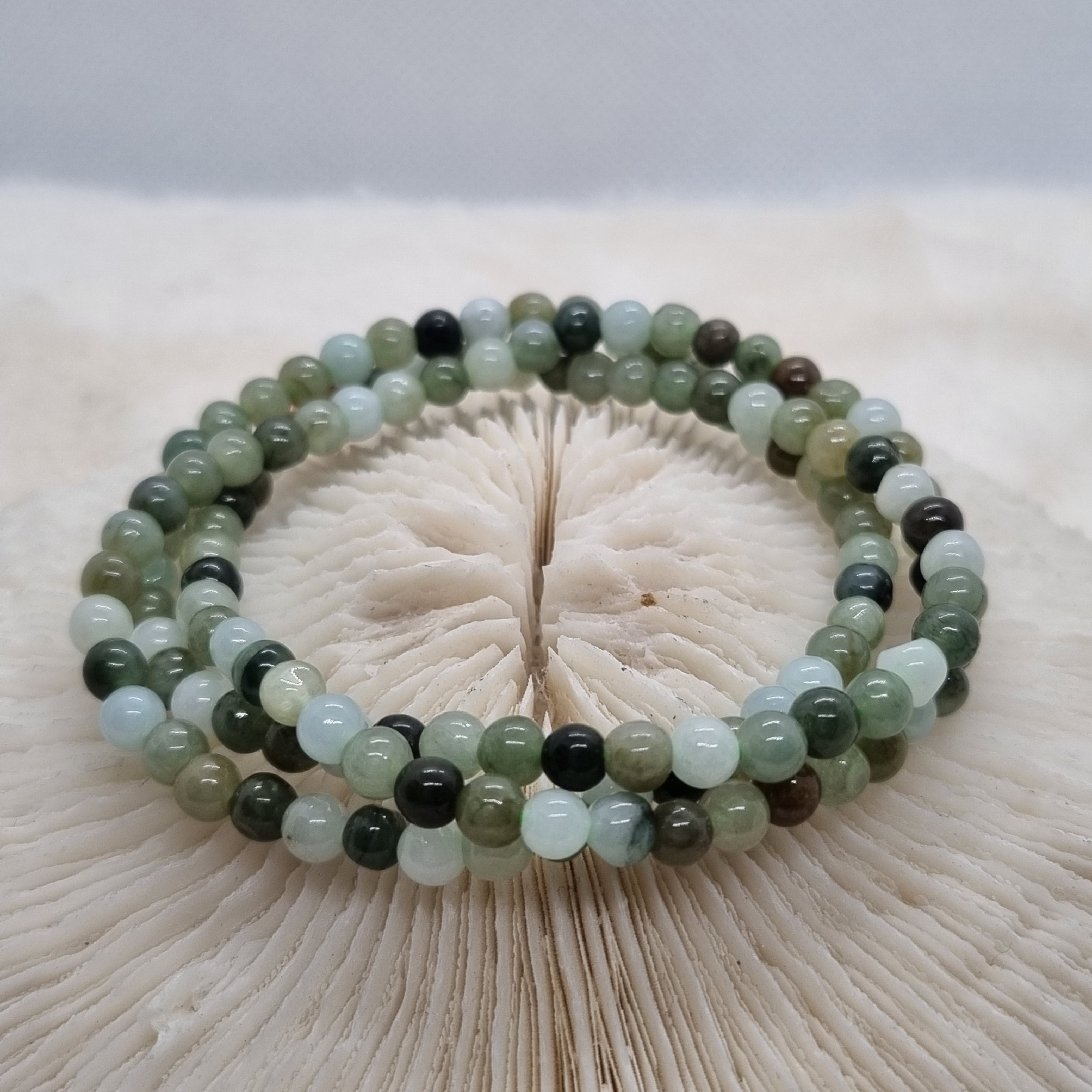
Jadeite is a highly valuable and sought-after mineral that belongs to the jade family. It is one of two distinct minerals commonly referred to as "jade," the other being nephrite. Jadeite is known for its vibrant colors, exceptional translucency, and cultural significance in various parts of the world. 

Photo owner: Auralene

Here's more information about jadeite:

Colors and Appearance: Jadeite is renowned for its wide range of colors, including shades of green, lavender, blue, white, and even black. It is valued for its translucency and fine texture. The most prized color of jadeite is a vivid green known as "imperial jade."

Transparency and Quality: High-quality jadeite can exhibit excellent transparency, allowing light to pass through the stone. The transparency and intensity of color greatly influence the value of jadeite.

Value and Rarity: Fine-quality jadeite is considered one of the most valuable gemstones, and it often commands high prices in the market. Rarity, color, clarity, and translucency all contribute to its value.

Cultural Significance: Jadeite has deep cultural significance in various Asian cultures, including Chinese and Mesoamerican civilizations. It has been associated with virtues such as purity, protection, and prosperity. Jadeite artifacts have historically been used for ceremonial and ornamental purposes.

Carvings and Sculptures: Jadeite's durability and beauty make it a popular choice for intricate carvings, sculptures, and jewelry. Jadeite carvings often depict mythological creatures, symbols, and motifs that hold cultural meaning.

Burmese Jadeite: The most renowned source of high-quality jadeite is Myanmar (formerly Burma), which produces some of the world's most valuable and prized jadeite specimens.

Imitations and Treatments: Due to its value, jadeite is sometimes imitated using various materials. Additionally, some jadeite may undergo treatments to enhance its color and clarity. It's important for buyers to be aware of these practices and to purchase jadeite from reputable sources.

Jadeite and Nephrite: Jadeite and nephrite are often both referred to as "jade," but they are distinct minerals with different chemical compositions and properties. Jadeite is generally rarer and more valuable than nephrite.

Jadeite's aesthetic appeal, cultural significance, and rarity contribute to its enduring popularity as a gemstone. It remains a symbol of beauty, spirituality, and tradition in many cultures around the world.

Saturday, August 12, 2023

Howlite

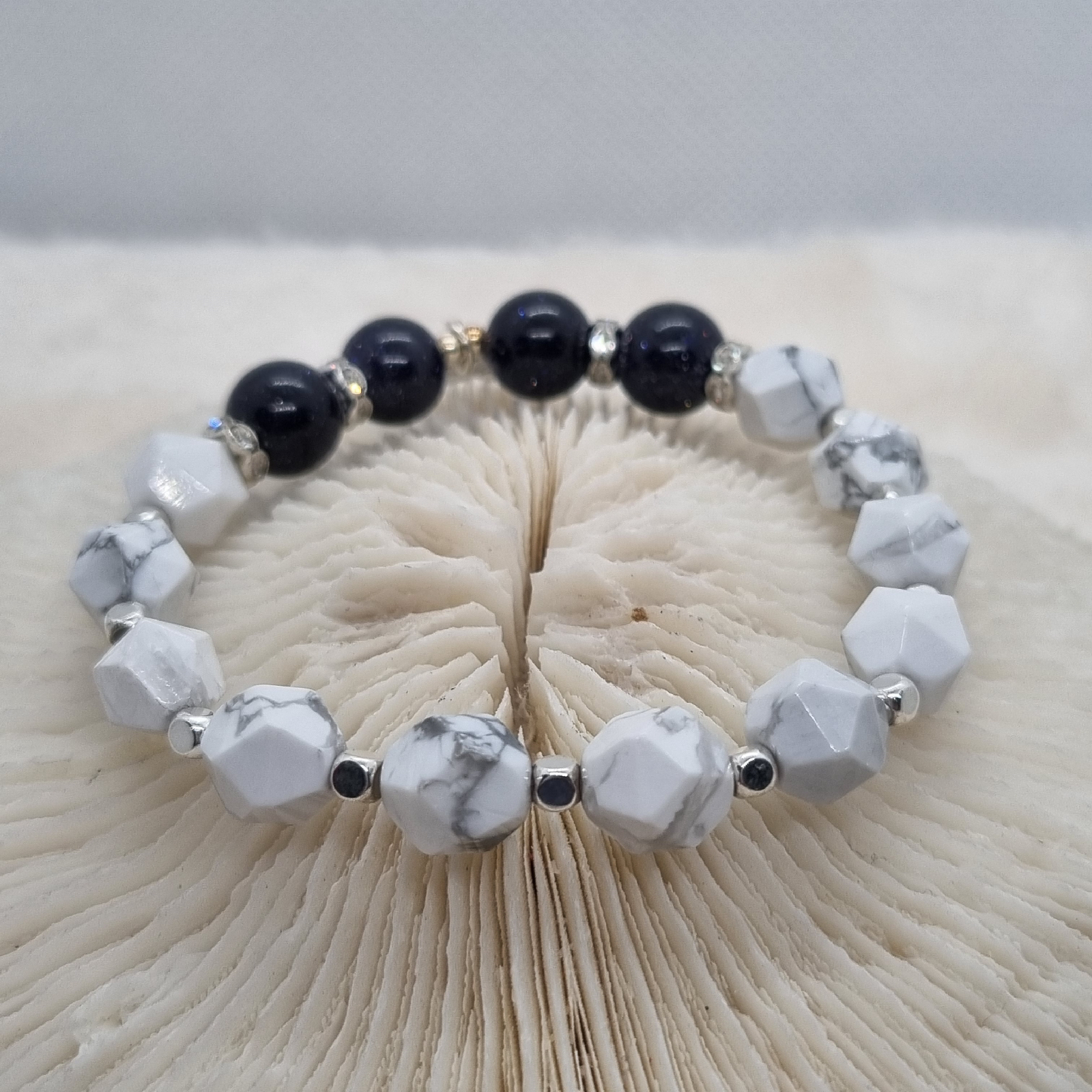
Howlite is a mineral that is often used as a gemstone in jewelry due to its unique appearance and versatility. It is a borate mineral that is usually white or light gray in color and is known for its distinctive veined or web-like patterns. 

Photo owner: Auralene

Here's more information about howlite:

Appearance: Howlite is typically found in white or light gray colors, but it can also be dyed to resemble other minerals, such as turquoise. Its most notable feature is the dark gray to black veining that creates a marbled or spiderweb-like pattern on the surface.

Dyeing: Because of its porous nature, howlite is often dyed to imitate other stones. Blue howlite is a common example, which is meant to mimic turquoise. Dyed howlite is used in jewelry and decorative items.

Uses in Jewelry: Howlite is frequently used in jewelry making due to its unique appearance and versatility. It's often used in beads, cabochons, and other jewelry components. Its neutral color allows it to be easily paired with various other gemstones.

Metaphysical and Healing Properties: In the realm of metaphysical beliefs, howlite is thought to have calming properties and is often used to help with stress, anxiety, and insomnia. It's also believed to promote patience and aid in communication.

Chakras: Howlite is associated with the crown chakra, which is believed to connect individuals with higher consciousness and spirituality.

Occurrence: Howlite is commonly found in evaporite deposits and can be discovered in places like Canada and the United States.

Care: Howlite is relatively soft compared to other minerals used in jewelry, with a Mohs hardness of around 3.5. This means it can be easily scratched. As with any gemstone, it's important to handle howlite with care to prevent damage. Cleaning with mild soap and water is generally safe.

Symbolism: Howlite is often associated with qualities like awareness, patience, and personal growth. Its veined appearance can symbolize the interconnectedness of life.

Remember that while howlite has a place in metaphysical and spiritual practices for some people, its properties and effects are not scientifically proven. Whether appreciated for its appearance, symbolic meanings, or potential energetic qualities, howlite remains a popular and accessible mineral in the world of gemstones and jewelry.